
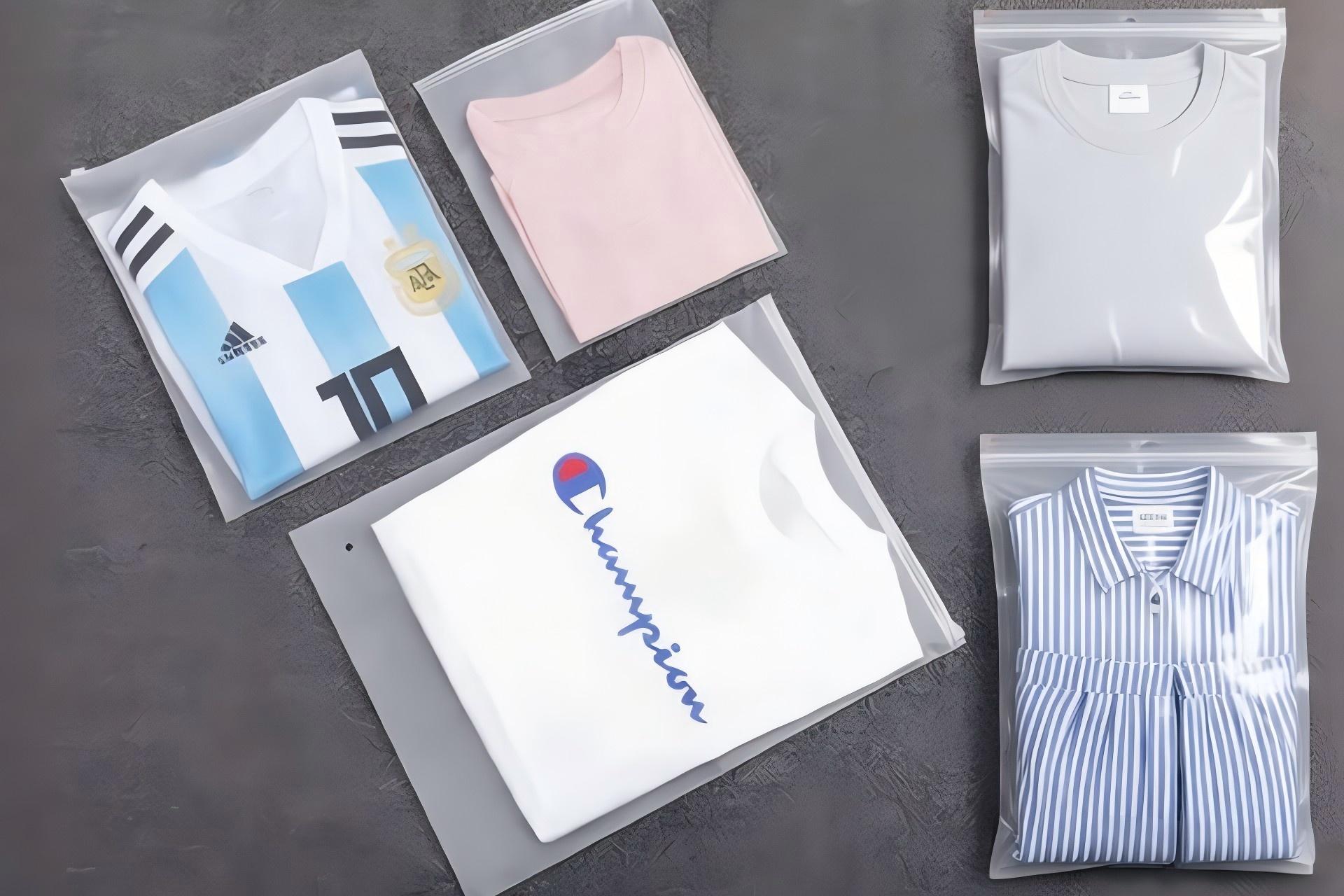
In the apparel industry, folding and packaging are among the most labor-intensive and inconsistent processes. Unlike rigid products, garments vary greatly in size, fabric, elasticity, and style—making manual folding slow, unstable, and heavily dependent on skilled workers.
Common challenges faced by apparel manufacturers and fulfillment centers include:
Inconsistent Folding Quality
Manual folding results vary from worker to worker, directly impacting packaging appearance, brand presentation, and customer unboxing experience.
High Labor Dependency & Rising Costs
Folding and bagging require trained operators, yet turnover rates are high and labor costs continue to rise—especially during peak seasons.
SKU & Fabric Complexity
From T-shirts and hoodies to yoga pants and sportswear, handling multiple garment types efficiently is a constant operational challenge.
Low Packaging Throughput
Manual folding and bagging quickly become bottlenecks, limiting daily output and delaying order fulfillment.
These challenges make it increasingly difficult for apparel businesses to scale production while maintaining consistent packaging standards.


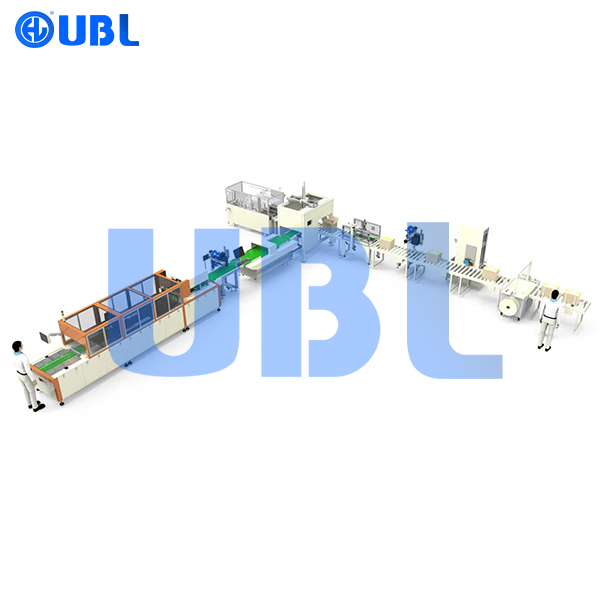
UBL provides professional apparel folding and packaging solutions designed to replace manual operations with stable, scalable automation. Our systems can operate as standalone folding machines or be integrated into modular apparel packaging lines, depending on your production needs and budget.
Standardized Garment Folding
Automated folding ensures every garment is folded to uniform dimensions—improving packaging consistency for retail display and shipping.
Integrated Bagging & Sealing
Folded garments are automatically transferred into PE/PP bags or eco-friendly packaging, followed by secure heat sealing or adhesive closure.
Labeling & Information Identification
Optional labeling modules apply garment information, SKU details, or shipping labels—supporting traceability and order accuracy.
Modular & Scalable Design
Each function—folding, bagging, labeling—can operate independently or be linked into a complete apparel packaging line.
Tops & Upper Wear:T-shirts, V-neck shirts, Polo shirts, casual shirts, hoodies, sweatshirts, light knitwear, tank tops, thermal underwear.
Bottoms & Trousers:Yoga pants, sweatpants, leggings, shorts, casual trousers, lightweight denim, pajama pants.
Sportswear & Performance Wear:Jerseys, compression garments, stretch sportswear, swimwear.
Uniforms & Workwear:Medical scrubs, hospitality uniforms, lab coats, light protective clothing.
Our fabric-safe folding technology handles both delicate and high-elastic materials without distortion or damage.
A large apparel manufacturer focuses on producing and shipping garments for online sales. With the rapid growth of e-commerce, the number of daily orders increased sharply, putting heavy pressure on the finishing and packaging department.
Previously, the factory relied almost entirely on manual labor for garment folding and packing. Workers manually placed garments on tables, folded them by hand, inserted them into bags, applied labels, and finally packed them into shipping mailers. This process was time-consuming, highly dependent on experienced workers, and difficult to scale during peak seasons. Folding quality varied from person to person, and labor costs continued to rise.
To improve efficiency and stabilize output, the manufacturer decided to introduce automated apparel packaging equipment. We designed a customized folding and packaging line tailored to their shipping workflow. Garments are manually fed onto the system, automatically folded, bagged, sealed, and labeled with product information. A secondary bagging process applies shipping labels for direct-to-consumer delivery.
After automation, the packaging process became significantly faster and more consistent. The solution increased overall efficiency by 70% while reducing labor requirements by 40%, enabling the factory to handle high order volumes with stable packaging quality and lower operational pressure.
A small apparel company specializing in basic garments faced a different challenge. Due to limited factory space and budget constraints, investing in a fully automated production line was not feasible. However, manual folding was slow, physically demanding, and increasingly difficult to manage with a small workforce.
The company was looking for a simple and cost-effective way to improve folding efficiency without changing its existing workflow. To meet this need, we recommended the SA-51A Single Station Clothes Folding Machine, a compact semi-automatic folding solution designed for small and medium-sized apparel businesses.
With this folding machine, one operator can handle garment folding more efficiently, producing consistent folding results with less physical effort. Although the system does not match the speed of a fully automated line, it improved folding efficiency by approximately 30% compared to manual folding, making it a practical entry-level solution for apparel folding automation.
Q: Can one folding machine handle different garment types?
A: Yes. Our apparel folding machines are designed to process multiple garment types and sizes with quick adjustment settings.
Q: Is automated folding safe for delicate or stretch fabrics?
A: Absolutely. Our fabric-safe folding systems use smooth surfaces and controlled airflow to protect sensitive materials.
Q: Can the folding machine work independently without a full packaging line?
A: Yes. All UBL apparel folding machines can operate as standalone units or be integrated later into a complete packaging solution.
Q: Do you support sustainable apparel packaging?
A: Yes. Our systems support recyclable plastic bags and eco-friendly packaging materials.
Q: What is the actual production capacity per hour?
A: Our standard models process up to 550 pieces per hour depending on garment type and size. We also offer high-speed configurations for larger operations requiring 800+ pieces/hour.
Q: Can the machine be customized for our specific garments?
A: Yes. We offer custom folding templates for unique garment types, branded packaging options, and integration with your existing conveyor or ERP systems.
+86 13602308576
helen@huanlianauto.com
No. 7 Yinhu Road, Sangyuan Industrial Park, Dongcheng Street, Dongguan City, Guangdong Province, China
© 2026 Guangdong Huanlian Intelligent Packaging Group Co., LTD | Privacy Policy | Terms of Service
WhatsApp us
Send us a message if you have any questions or request a quote. We will be back catalog and price list to you ASAP!
Your project will meet a right solution with UBL.